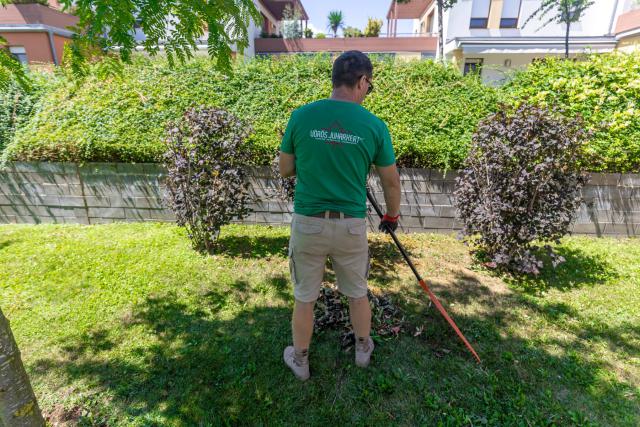
Autumn work decides the state the garden will be in when spring arrives. The height of the last cut, the timing of leaf clearing and a potassium-rich autumn feed all matter, but the most important job is draining the irrigation system: a cracked valve costs far more in spring than the autumn service does.
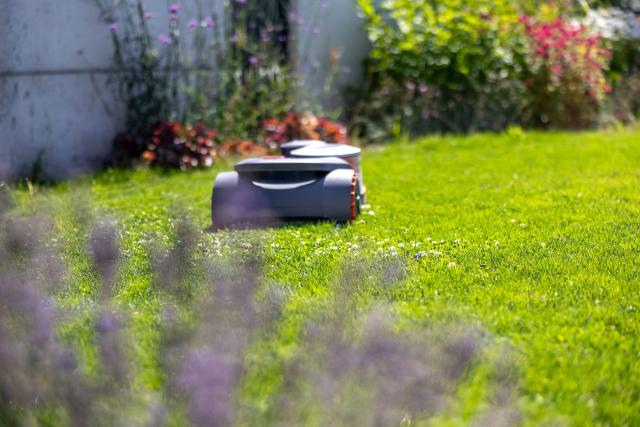
Mowing daily, a robot produces a denser, deeper green lawn, makes no noise and asks for no weekends. Neat stripes, crisp edges and the areas under shrubs remain the job of a conventional machine. In our experience the best result comes from combining the two, and we show you how.
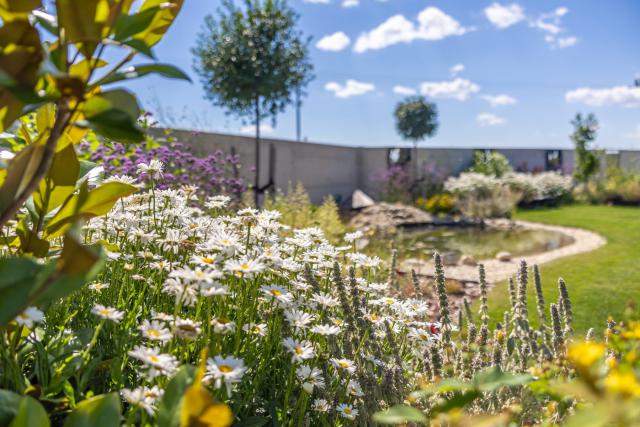
Chemical-free gardening does not mean doing nothing. It means intervening somewhere else: in the soil and in the choice of plants, rather than with a sprayer. Compost, a mulch layer, a mixed perennial bed and a small area of water are what build a garden that stays stable on its own.
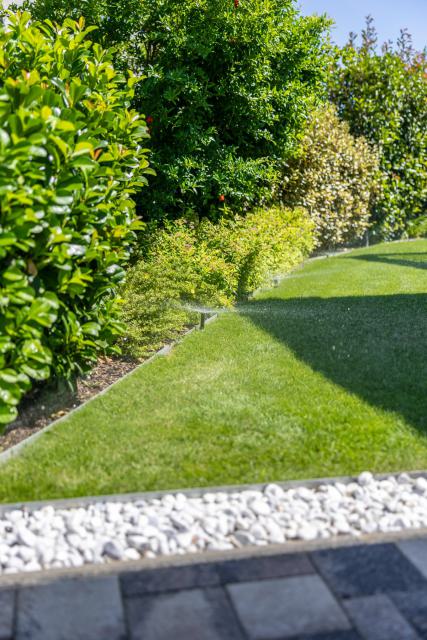
With hand watering there is always a dry patch, and always an area that gets too much. A well-designed automatic system distributes water evenly, runs at dawn when evaporation is minimal, and with precise dosing usually uses less water than a hose. It also produces a deeper-rooted, more drought-tolerant lawn.
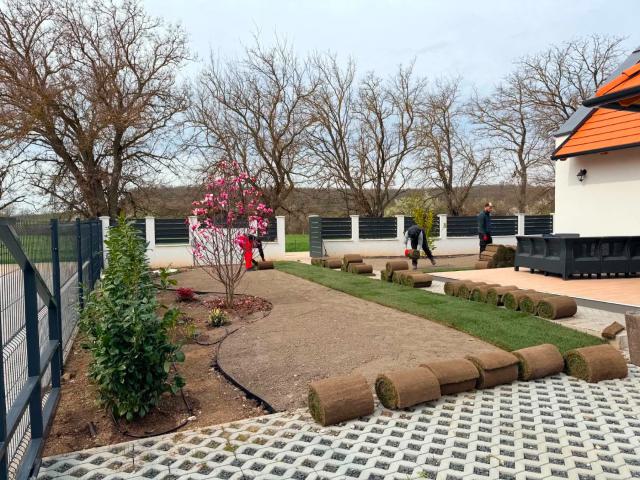
From March to the end of May and from September to mid-October, soil temperature and rainfall both favor rooting. Success, though, is decided not by the date but by the soil preparation: an uneven surface will show through in the finished lawn. Here is what to watch for before and after laying, and when the first cut should come.