A chemical-free garden: what it means in practice

2026. 06. 03.
Chemical-free gardening does not mean doing nothing. It means intervening somewhere else: in the soil and in the choice of plants, rather than with a sprayer. Compost, a mulch layer, a mixed perennial bed and a small area of water are what build a garden that stays stable on its own.

Chemical-free gardening does not mean doing nothing. It means intervening somewhere else: in the soil and in the choice of plants, rather than with a sprayer.

The soil is the foundation

A plant grown in healthy, humus-rich soil is far more resilient. Compost, mulch and protecting the soil structure are worth more than any plant protection product.

Mulch instead of weeding

A layer of wood or bark mulch stops weed seeds from germinating, holds moisture, and feeds soil life as it breaks down. In a well-mulched bed, weeding drops to a fraction of what it was.

Plant combinations and biodiversity

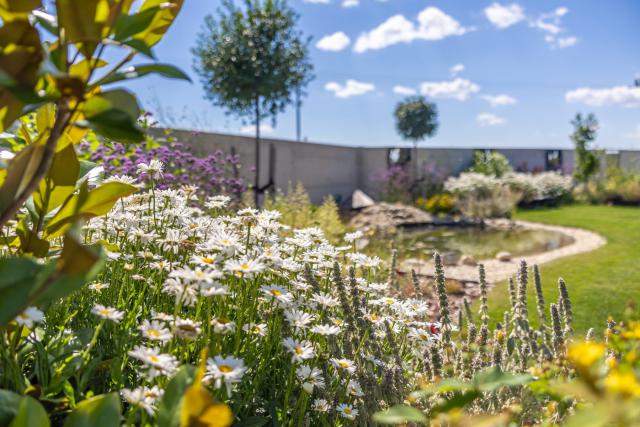
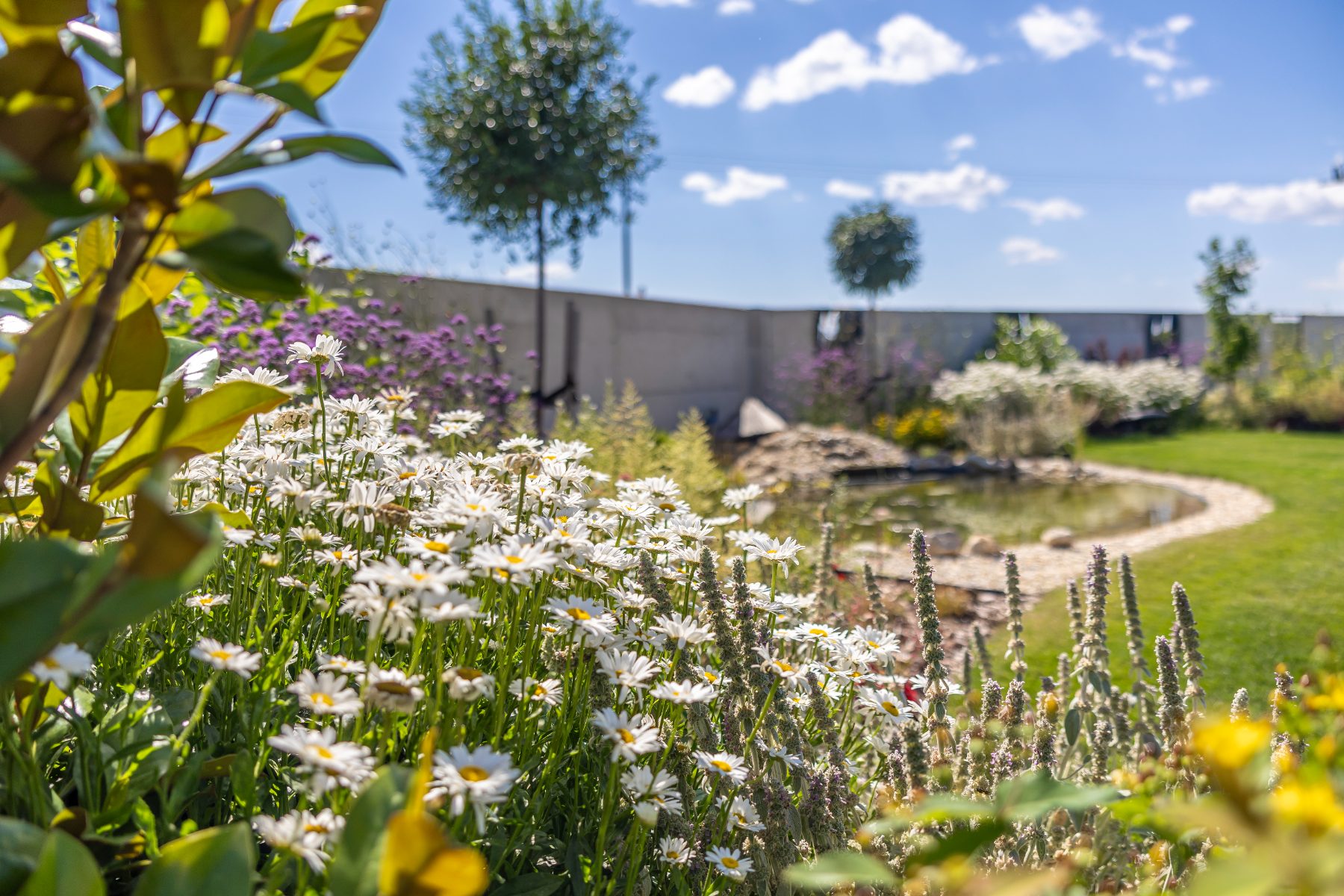
A mixed perennial bed, with plants that flower at different times living side by side, is far more stable than a monoculture. Ladybirds and lacewings arrive on their own once there is somewhere for them to settle.

Water in the garden

A small garden pond or bird bath is not only attractive but useful: pollinators and beneficial insects need water. Biodiversity appears where the conditions for life are provided.

We pay particular attention to this approach in our work. We believe a beautiful garden and nature-led solutions do not rule each other out.
Latest posts

Latest posts

What is worth knowing about your garden.

Seasonal tasks, irrigation, pools and plant choices. Short, practical pieces drawn from our everyday work.

How to prepare your garden for winter

Autumn work decides the state the garden will be in when spring arrives. The height of the last cut, the timing of leaf clearing and a potassium-rich autumn feed all matter, but the most important job is draining the irrigation system: a cracked valve costs far more in spring than the autumn service does.

Robotic mower or traditional mowing?

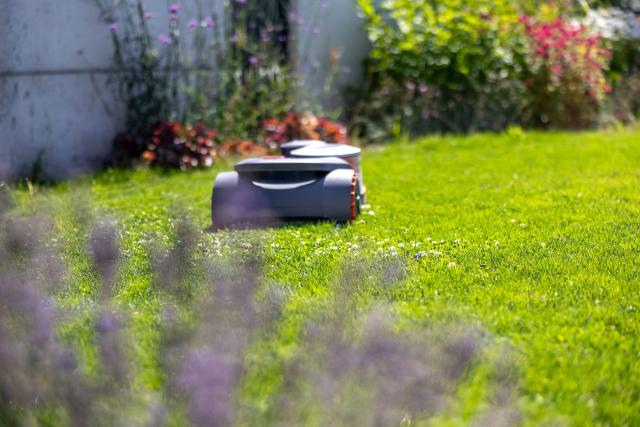
Mowing daily, a robot produces a denser, deeper green lawn, makes no noise and asks for no weekends. Neat stripes, crisp edges and the areas under shrubs remain the job of a conventional machine. In our experience the best result comes from combining the two, and we show you how.

A chemical-free garden: what it means in practice

Chemical-free gardening does not mean doing nothing. It means intervening somewhere else: in the soil and in the choice of plants, rather than with a sprayer. Compost, a mulch layer, a mixed perennial bed and a small area of water are what build a garden that stays stable on its own.

Five advantages of an automatic irrigation system

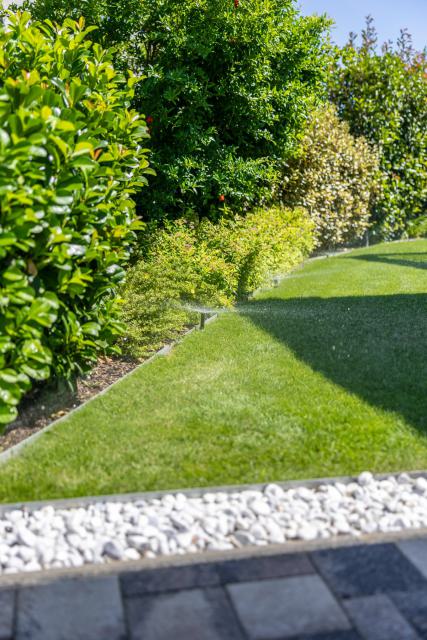
With hand watering there is always a dry patch, and always an area that gets too much. A well-designed automatic system distributes water evenly, runs at dawn when evaporation is minimal, and with precise dosing usually uses less water than a hose. It also produces a deeper-rooted, more drought-tolerant lawn.